

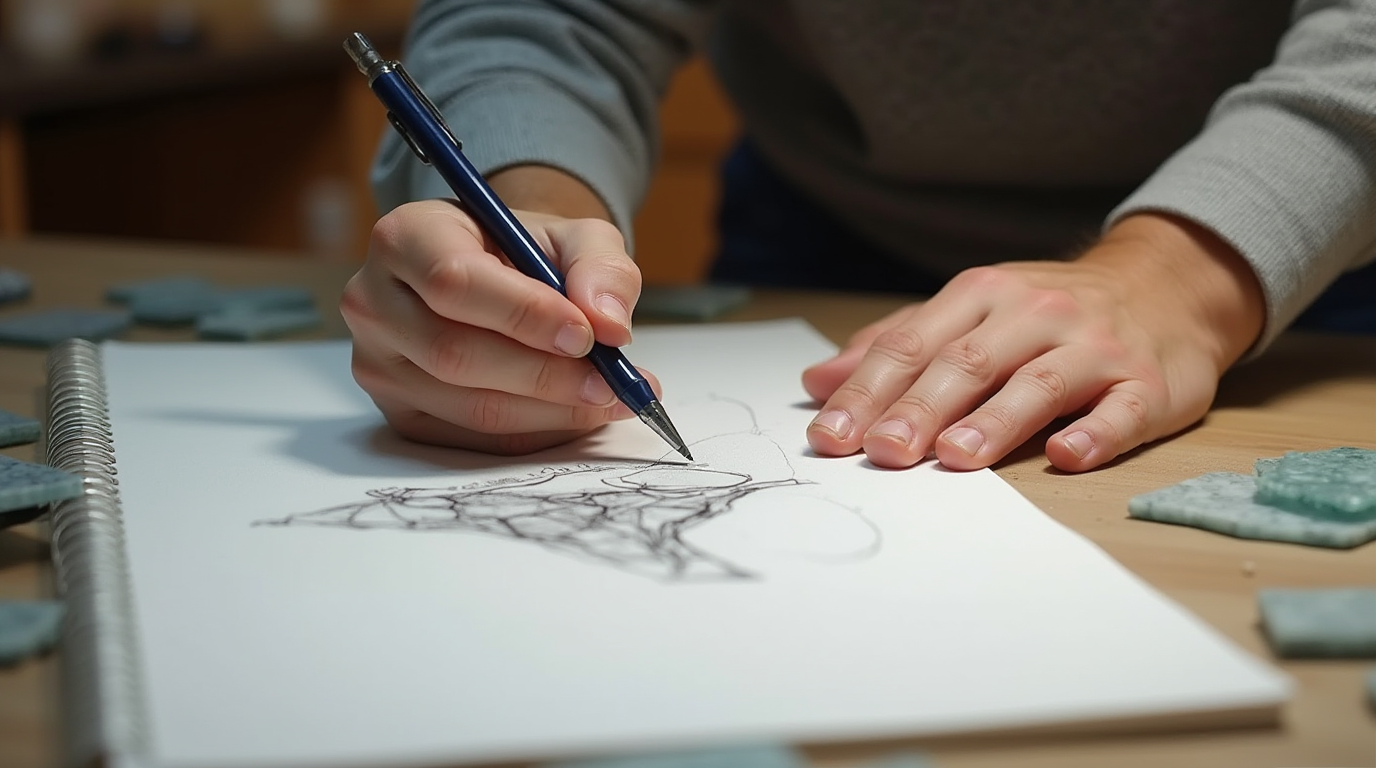

Laminated sculptures aren’t just stacks of glass or stone. They’re the result of careful planning, hands-on work, and a good eye for how materials react to light and space. From the first pencil sketch to the final placement in a gallery or park, each step matters.
This article walks you through the full process — in plain English — so you can understand how these layered sculptures come to life.
What Makes a Sculpture Laminated?
Laminated sculptures are built by joining layers of materials, usually glass or stone, using adhesives. These layers are cut, shaped, and sometimes colored before being bonded together.
Depending on the artist’s idea, the sculpture might be made entirely from one type of material, like cast glass, or mix several, such as granite, Vitrolite, and safety glass.
Materials you’ll often see:
- Cast or sheet glass (sometimes colored)
- Vitrolite (a type of decorative glass from the early 1900s)
- Tempered glass (used when safety is a concern)
- Granite or other natural stones
- Strong, clear adhesives (UV-resistant)
The appeal of laminated sculptures lies in their ability to play with light and color. Some change appearance depending on the time of day.

First Comes the Sketch — Planning the Design
No sculpture starts without a rough sketch or digital mock-up. Artists often draw several versions or build small models to test ideas.
In this stage, the artist figures out:
- What message or feeling the piece should express
- Where it will be placed (indoors, outdoors, near light)
- What size and shape make sense for that location
- How much it will weigh and what support it needs
Many laminated sculptures are made for specific places — like public lobbies or gardens — so understanding the space is essential.
Sometimes, artists visit the site and take notes about how sunlight moves through the area during the day. That helps them decide how thick the layers should be or where to add color.
Choosing Materials: Why It’s Not One-Size-Fits-All
Each material used in laminated sculpture has its own properties. Some let light pass through; others block it. Some are better for outdoor use, while others are more fragile.
Artists usually test different materials before committing.
Examples:
- Glass sheets can be frosted, clear, or tinted.
- Vitrolite gives a vintage feel with rich colors.
- Granite adds contrast, texture, and stability.
- Laminated safety glass helps if the sculpture will be in a public space.
The glue (or bonding agent) is just as important. It has to hold up under UV light, moisture, and changes in temperature. Otherwise, the sculpture might come apart over time.
Cutting, Layering, and Bonding: The Core Steps
Once the materials are selected, it’s time to cut them. This is done with water jets, diamond tools, or laser cutters — depending on what the material allows.
After cutting, each piece is:
- Smoothed at the edges
- Sandblasted or polished (to control how it reflects light)
- Cleaned carefully before bonding
Then the layers are stacked and glued. It’s a slow process because each layer must be lined up with precision.
Air bubbles, misalignment, or trapped dust can ruin the visual effect. That’s why artists usually do this in a controlled environment, with special clamps to apply even pressure while the adhesive cures.
Some sculptures have 30, 50, or even 100 layers. The deeper the stack, the more complex the light effects.

Light and Space: How Artists Shape the Final Look
In laminated sculpture, light isn’t just a detail — it’s part of the design. Artists think hard about how light will pass through the layers and reflect off surfaces.
They consider:
- The angle of sunlight during the day
- How shadows fall
- Whether the sculpture should glow or stay solid
- If LED lights will be added underneath or inside
The thickness of each layer changes how much light it absorbs or reflects. Thinner pieces can feel delicate; thicker ones feel heavy and grounded.
You might not notice this at first glance. But stand in front of a laminated sculpture at different times of day, and you’ll often see it change.
Safety and Structure: What Keeps the Sculpture Standing?
A sculpture made from glass or stone needs to hold together — especially if it’s in a public space.
Artists and fabricators run stress tests to check:
- Whether it can handle wind, weight, or small impacts
- If it’s safe around kids or crowds
- How it connects to the ground, floor, or wall
Steel rods, internal frames, and anchor plates are often hidden inside. For heavy sculptures, a custom base is built to spread out the weight and prevent tipping.
This part often requires help from engineers or architects.
Moving and Installing the Sculpture
Transporting a laminated sculpture is no small task. Many pieces are fragile, heavy, or both. One wrong bump in the truck, and a layer might crack.
Here’s what usually happens:
- Layers are wrapped separately, then boxed in crates with padding
- The sculpture is transported upright with vibration protection
- On-site, a crane or lift is used for placement
- Final checks are done for alignment, balance, and safety
Sometimes, sculptures are installed in pieces and joined together at the site.

The Final Stage: Putting the Work on Display
Once installed, the artist steps back and sees how the sculpture looks in its final setting. Some adjustments may still happen — especially with lighting.
The exhibition team sets up:
- Spotlights (or removes some)
- Descriptive labels
- Safety barriers if needed
In galleries or museums, laminated sculptures often become a focal point. In public areas, they invite people to stop, look, and interact — even if just by walking around them.
Some pieces stay for years. Others are temporary, part of a show or rotating exhibition.
Why Laminated Sculptures Stay Relevant
Laminated sculptures bring together material, light, and space in a unique way. They feel both solid and transparent, permanent yet alive.
Artists choose this method because it lets them play with texture and depth, while still creating something that feels grounded.
These sculptures don’t just sit in a space. They react to it — and often to the people nearby.
That’s what makes them stand out.
Quick Recap
- Laminated sculptures are made by layering glass, stone, or both.
- The process includes sketching, material testing, cutting, bonding, and installation.
- Light and space play a big role in the final look.
- Safety, transport, and structural support are part of the work.
- These pieces often change depending on time of day and location.
If you’ve ever stood in front of one and felt like it was shifting or glowing — that’s not your imagination. That’s what good laminated sculpture is meant to do.